

If you’ve ever felt like your ears were clogged, muffled, or under pressure during allergy season, you’re not imagining it.
Seasonal allergies and sinus issues can absolutely affect your hearing. While these changes are usually temporary, they can still be frustrating and sometimes confusing if you’re not sure what’s causing them.
Here’s what’s happening and when it might be time to see an audiologist.
How Allergies and Sinus Issues Impact Your Ears
Your ears, nose, and sinuses are all connected. When allergies or sinus problems develop, they can affect how your ears function.
The key connection is the eustachian tube, a small passage that helps regulate pressure in your middle ear.
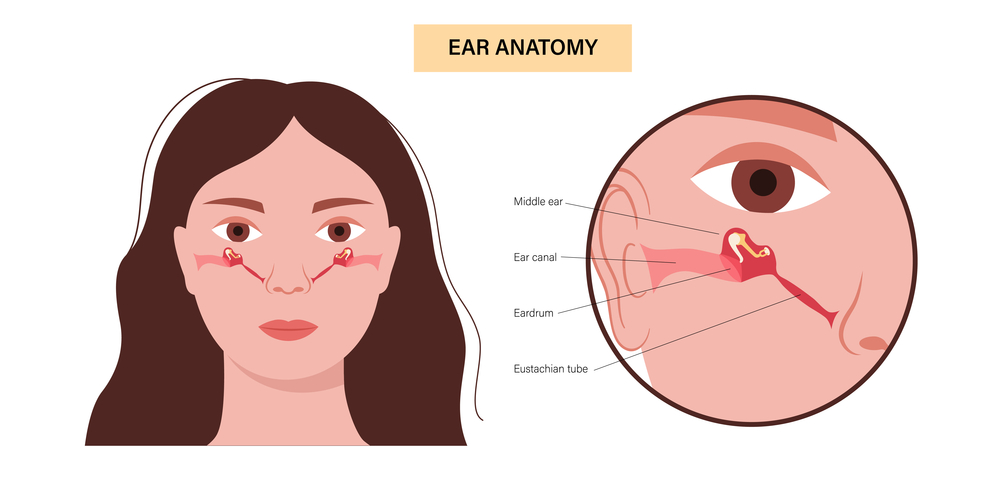 When everything is working normally, this tube opens and closes to keep pressure balanced. However, during allergy season or a sinus infection, inflammation and mucus can block it.
This can lead to:
- A feeling of fullness or pressure in the ears
- Muffled or reduced hearing
- Popping or crackling sounds
- Temporary hearing changes
In some cases, fluid can build up behind the eardrum, which further affects hearing clarity.
Can Allergies Cause Hearing Loss?
Yes, but in most cases, it is temporary.
This type of hearing loss is called conductive hearing loss. It happens when sound is blocked from traveling efficiently through the outer or middle ear.
With allergies, this is usually caused by:
- Swelling in the nasal passages and Eustachian tube
- Fluid buildup in the middle ear
- Increased sinus pressure
Once the underlying allergy or sinus issue improves, hearing typically returns to normal.
However, ongoing or untreated congestion can sometimes lead to longer-lasting problems if fluid remains trapped in the ear.
Common Symptoms to Watch For
If allergies or sinus pressure are affecting your ears, you may notice:
- Ears that feel clogged or “underwater”
- Difficulty hearing clearly, especially conversations
- Pressure or discomfort in one or both ears
- Ringing in the ears
- Dizziness or imbalance
These symptoms can come and go, especially during peak allergy seasons in Maryland.
When Should You See an Audiologist?
Most ear-related symptoms from allergies are temporary, but it’s important not to ignore them if they persist.
You should consider a hearing evaluation if:
- Symptoms last more than a couple of weeks
- Your hearing does not return to normal after congestion clears
- You experience frequent ear pressure or recurring issues
- You notice sudden or significant hearing changes
A professional evaluation can determine whether your symptoms are related to allergies or something else.
How a Hearing Evaluation Can Help
At Capital Institute of Hearing & Balance, a diagnostic evaluation can help identify the cause of your symptoms.
This may include:
- A full hearing test to assess your hearing levels
- Evaluation of middle ear function
- Identifying whether fluid or pressure is affecting your ears
From there, you’ll get clear guidance on next steps, whether that involves monitoring, medical referral, or treatment options.
Don’t Ignore Changes in Your Hearing
It’s easy to assume that clogged or muffled hearing during allergy season will go away on its own. And often, it does.
But if something feels off or doesn’t improve, it’s worth getting it checked.
Addressing hearing changes early can help prevent longer-term issues and give you peace of mind.

Frequently Asked Questions
Can allergies make your ears feel clogged?
Yes. Allergies can cause inflammation and mucus buildup that block the Eustachian tube, leading to a clogged or full sensation in the ears.
Is hearing loss from allergies permanent?
In most cases, no. Allergy-related hearing changes are usually temporary and improve once the underlying issue is treated.
Can sinus pressure affect your ears?
Yes. Sinus pressure can impact the middle ear and cause discomfort, muffled hearing, and pressure.
Should I see a doctor or an audiologist?
If symptoms persist or affect your hearing, starting with an audiologist is a good step. They can assess your hearing and refer you if medical treatment is needed.
Schedule a Hearing Evaluation
If you’re experiencing clogged ears, pressure, or changes in your hearing this allergy season, a professional evaluation can help you understand what’s going on.
Schedule a hearing evaluation with Capital Institute of Hearing & Balance today and get clear answers about your hearing health.