
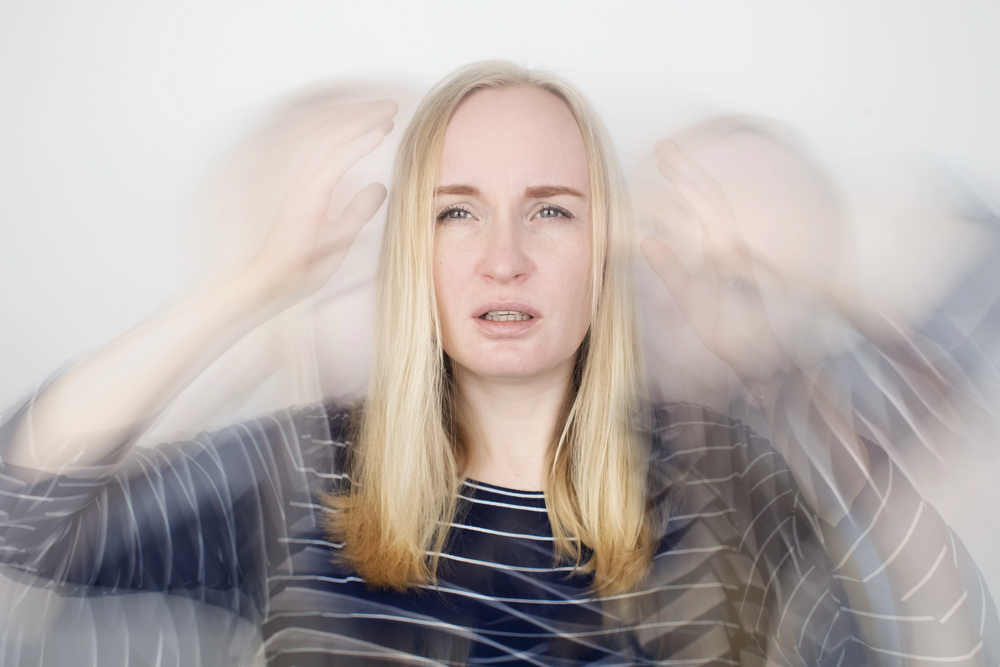
Many people are surprised to learn that hearing and balance are closely connected. If you have experienced dizziness, unsteadiness, or a feeling of being off balance, your ears may be part of the reason.
At Capital Institute of Hearing & Balance, many patients come to us for balance concerns and discover that hearing problems may be part of the underlying issue. Understanding this connection can help you recognize symptoms earlier and get the appropriate care and guidance.
How Hearing and Balance Are Connected
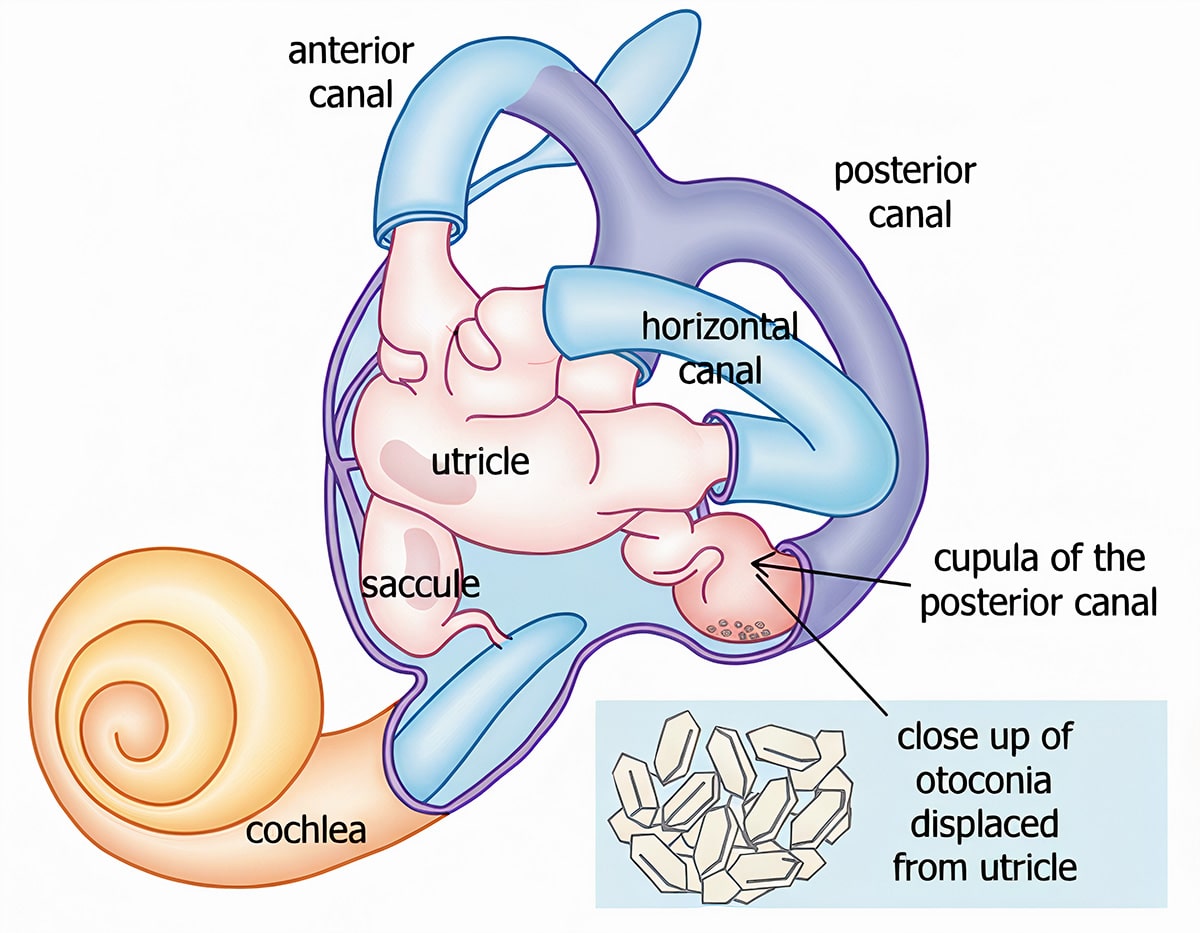
The inner ear plays a vital role in both hearing and balance. It contains two closely related systems that work together to help you hear, stay oriented, and maintain stability.
The cochlea is responsible for hearing, while the vestibular system helps control balance and spatial awareness. Because these systems’ structures are physically close with shared nerve pathways, a problem affecting one can also influence the other.
This close relationship is why hearing problems and balance issues often occur together.
How Hearing Loss Can Contribute to Dizziness and Balance Problems
Hearing loss can contribute to balance problems in several ways.
When the inner ear is damaged by age, noise exposure, trauma, infection, or disease, both hearing and balance function may decline. Reduced auditory input can also affect how the brain processes spatial information, making it harder to stay oriented and stable.
In some cases, the balance system itself is impaired, and hearing loss is an associated symptom rather than the direct cause. A comprehensive evaluation is needed to understand what is happening.
Common Conditions That Affect Hearing and Balance
Several inner ear conditions can cause both hearing changes and balance symptoms. These include:
Vestibular Neuritis and Labyrinthitis
These conditions often follow viral infections and can cause sudden dizziness, vertigo, and balance instability. Labyrinthitis may also involve hearing loss or ringing in the ears.
Meniere’s Disease
Meniere’s disease is a chronic inner ear condition that can cause episodes of vertigo, fluctuating hearing loss, ear fullness, and tinnitus. Balance symptoms can be severe and unpredictable.
Benign Paroxysmal Positional Vertigo (BPPV)
BPPV occurs when tiny calcium crystals in the inner ear become displaced. While it does not usually cause hearing loss, it can cause intense dizziness that affects balance and daily function.
Age-Related Inner Ear Changes
As we age, both hearing and balance systems naturally decline. This can increase fall risk and reduce confidence with walking, especially in low light or uneven environments.
When to See an Audiologist for Balance Concerns
You should consider an audiology evaluation if you experience:
- Ongoing dizziness or vertigo
- Unsteadiness when walking or standing
- Frequent falls or fear of falling
- Hearing loss along with balance symptoms
- Ringing in the ears with dizziness
Audiologists trained in balance assessment can evaluate both hearing and vestibular function to determine the underlying cause.
How Balance and Hearing Are Evaluated
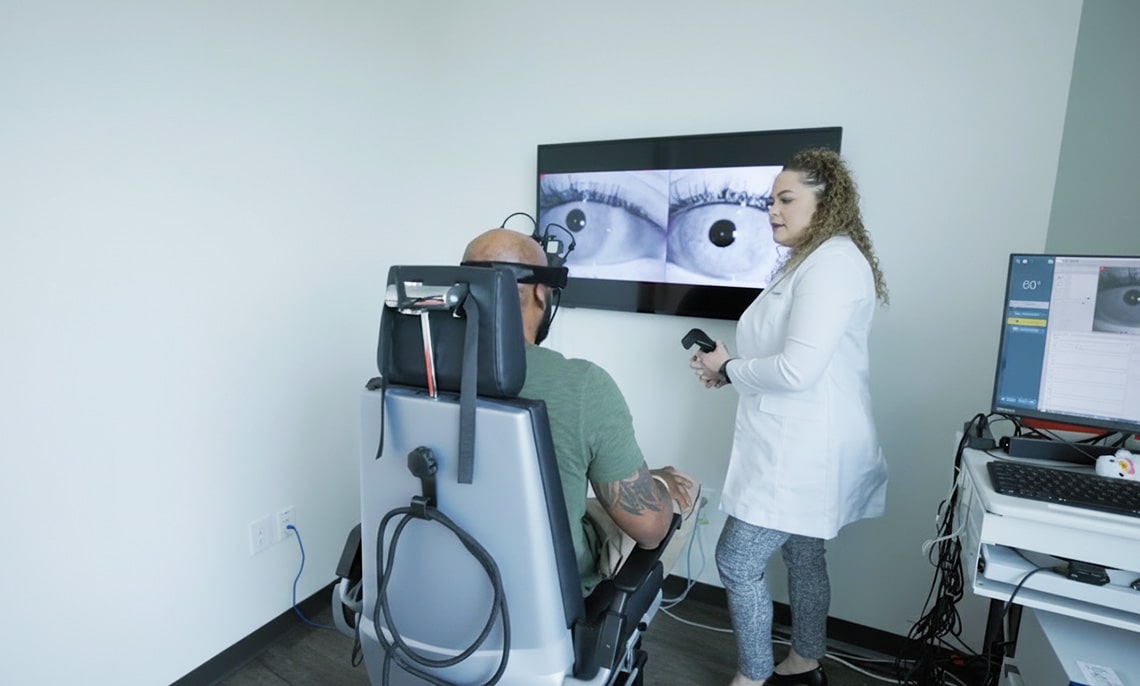
When someone comes in with balance concerns, we start by looking at how the hearing and balance systems in the inner ear are functioning.
This often involves a combination of hearing tests and vestibular testing to understand what is contributing to symptoms such as dizziness or unsteadiness. Getting an accurate diagnosis is important in order to develop an effective treatment plan.
This approach allows us to identify the source of the problem and recommend care based on each patient’s specific needs.

Frequently Asked Questions About Hearing & Balance
Can hearing aids improve balance?
Hearing aids can improve awareness of your surroundings, which may help with balance confidence. However, they do not treat vestibular disorders directly. A full evaluation is needed to determine the right approach.
Is dizziness always related to the ears?
Not always. Dizziness can also be related to blood pressure, neurological conditions, medications, or vision problems. This is why proper testing is important.
Can balance problems get worse over time?
Yes. Untreated balance disorders can worsen and increase fall risk. Early evaluation and treatment can help prevent complications.
Who should evaluate hearing related balance problems?
Audiologists with expertise in vestibular and balance testing are uniquely qualified to assess the connection between hearing and balance.
Schedule a Balance and Hearing Evaluation
If you are experiencing dizziness, balance problems, or hearing changes, you do not have to manage it alone. A professional evaluation can help identify the cause and guide effective treatment.
Contact Capital Institute of Hearing & Balance to schedule a comprehensive hearing and balance evaluation and take the next step toward feeling steady and confident again. Call (240) 670-1200 or schedule an appointment online.