
Most people don’t think about their hearing until something feels wrong. But just like going in for your annual physical or routine eye exam, hearing care works best when it’s preventive—not reactive.
Regular hearing tests help catch small changes early, protect your long-term health, and support clear communication at every stage of life. So how often should you really have your hearing checked? The answer depends on your age, lifestyle, and personal risk factors, but there are some helpful guidelines that can keep you on track.
Why Regular Hearing Tests Are So Important
Hearing changes usually happen slowly. Many people don’t notice a difference right away, and often it’s a family member or friend who points it out first. Routine hearing tests allow audiologists to track changes over time and address concerns before they start affecting everyday life.
Staying on top of your hearing health can lead to earlier detection of hearing loss, better outcomes if treatment is needed, easier conversations with family, friends, and coworkers, and reduced risk of the cognitive and social challenges linked to untreated hearing loss.
How Often Adults Should Have Their Hearing Tested?
If you don’t have any known hearing concerns, getting a baseline hearing test in early adulthood is a great place to start. After that, general recommendations include:
Ages 18–40
Every three to five years if you’re not experiencing symptoms and don’t have known risk factors.
Ages 40–60
Every two to three years. This is especially important if you notice things like difficulty hearing in background noise, ringing in your ears, or needing people to repeat themselves.
Ages 60 and older
Once a year. Hearing changes become more common with age, and annual testing helps you stay ahead of any shifts that could affect your quality of life.
When It Makes Sense to Get Tested Sooner
You don’t have to wait for your next scheduled check if something feels off. It’s a good idea to schedule a hearing test sooner if you’re struggling to follow conversations, frequently asking others to repeat themselves, noticing ringing or buzzing in your ears, turning the volume up higher than others prefer, or feeling tired or drained after social situations.
These are often early signs that your hearing may be changing.
Hearing Tests for Children and Teens
Hearing care is important at every age. Children should receive hearing screenings at key developmental stages, starting at birth and continuing through the school years. If a child has speech delays, learning challenges, or frequent ear infections, a full hearing evaluation may be recommended sooner.
Early testing plays a big role in supporting healthy communication, learning, and social development.
Learn more about our Pediatric Audiology Services.
Who Might Need Hearing Tests More Often?
Some people benefit from more frequent hearing testing because of their lifestyle or medical history. This can include individuals who work in noisy environments, have had ear infections or ear surgery, live with conditions like diabetes or heart disease, take certain medications, or have a family history of hearing loss.
In these cases, an audiologist may recommend annual—or sometimes more frequent—hearing evaluations.
What Happens During a Hearing Test
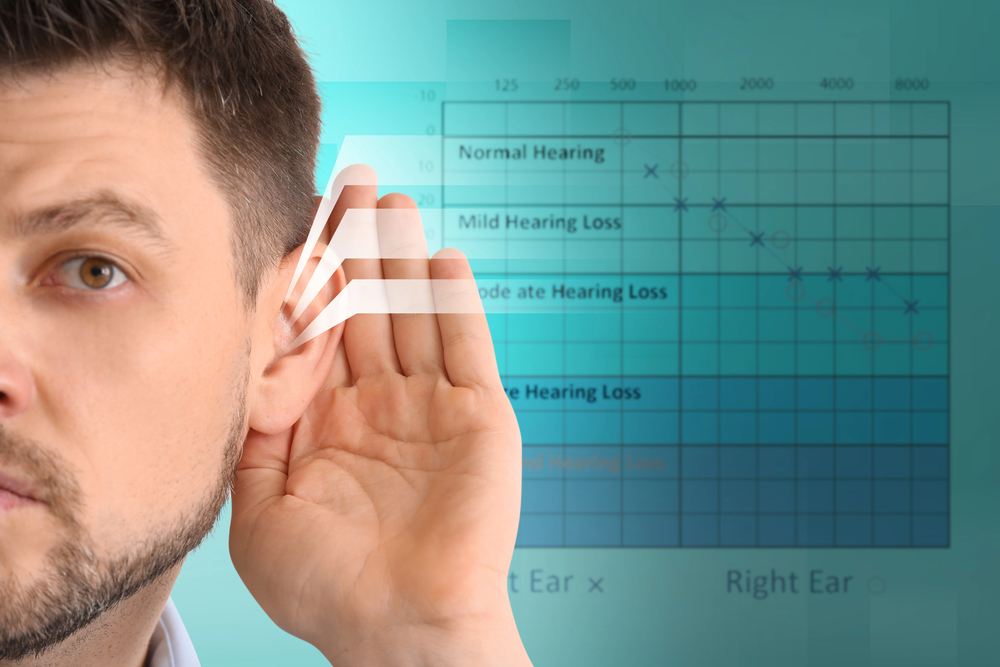
A professional hearing test is simple, comfortable, and non-invasive. At Capital Institute of Hearing & Balance, your evaluation usually includes a conversation about your hearing history and concerns, a gentle ear exam, hearing tests to measure how well you hear different sounds, speech understanding testing, and any additional diagnostics needed to fully understand your hearing health.
Together, these results create a clear picture of your hearing health and help guide next steps. Learn more about our diagnostic hearing evaluation services and what to expect during your visit.
Hearing Health Is Part of Whole-Body Wellness
Your hearing is closely connected to your overall health. Research continues to show links between untreated hearing loss and cognitive health, balance concerns, and social isolation. Staying proactive with regular hearing tests supports not just better hearing, but long-term brain health and emotional well-being too.

Frequently Asked Questions About Hearing Tests
How often should I get a hearing test if I don’t have symptoms?
Most adults should have a baseline hearing test in early adulthood, then repeat testing every three to five years. After 40, every two to three years is recommended, and after 60, yearly testing is ideal.
When should I get a hearing test sooner than scheduled?
If you notice trouble understanding conversations, ringing in your ears, turning up the volume more than others, or feeling worn out after social situations, it’s time to schedule a hearing test.
Are hearing tests only for people with hearing loss?
Not at all. Hearing tests are part of preventive care. Even if your hearing feels fine, testing helps establish a baseline and catch small changes early.
How long does a hearing test take?
Most diagnostic hearing evaluations take about 45 to 60 minutes. This includes reviewing your history, examining your ears, and completing a series of hearing and speech understanding tests.
Do children need regular hearing tests too?
Yes. Ongoing hearing screenings are important throughout childhood, especially if there are concerns with speech, learning, or frequent ear infections. Early testing supports healthy communication and academic success. Learn more.
Ready to Schedule Your Next Hearing Test?
If it’s been a while since your last hearing screening, now is a great time to check in. Whether you’re noticing changes or just being proactive, regular hearing tests help you stay informed and confident about your hearing health.
At Capital Institute of Hearing & Balance, our audiology team provides comprehensive diagnostic hearing evaluations for patients of all ages. If you are due for a hearing test or have questions about your hearing, we’re here to help you take the next step with clarity and confidence. Call (240) 670-1200 or schedule an appointment online.