
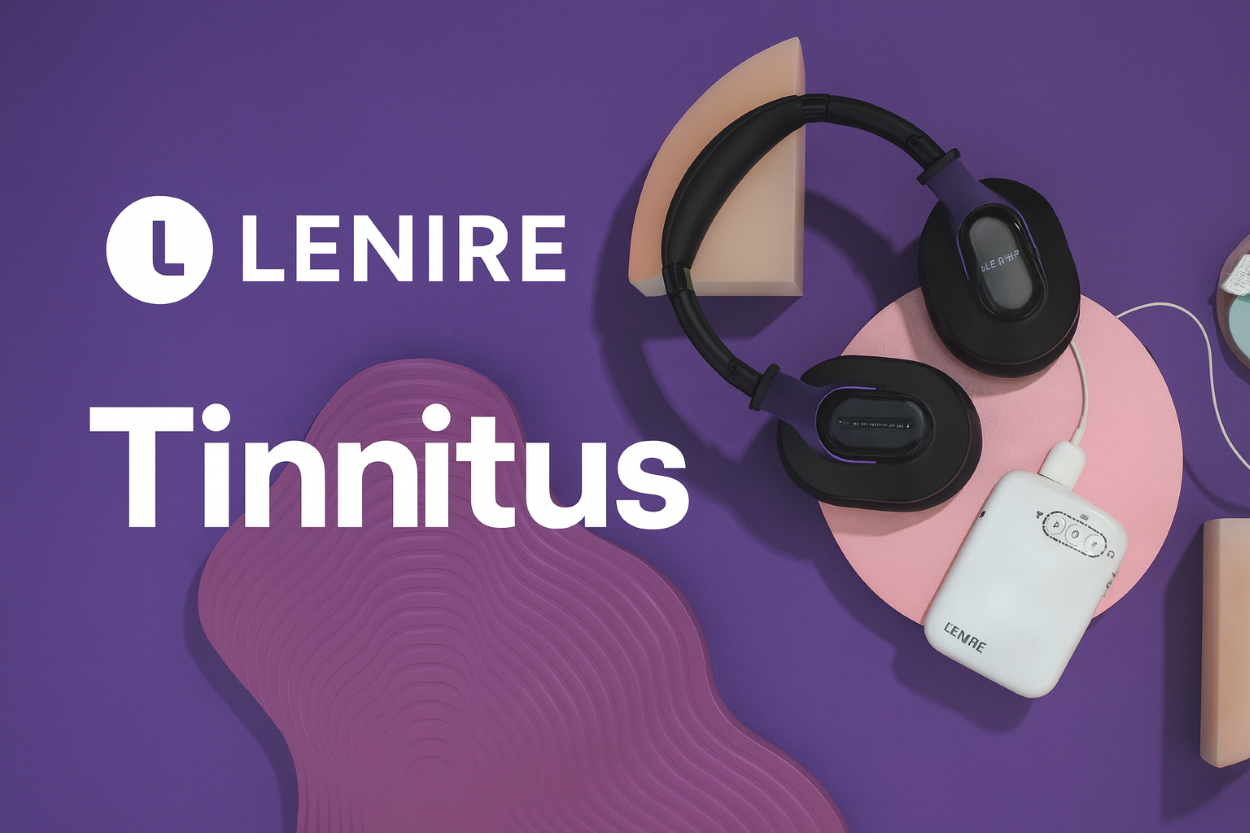
Understanding Whether Lenire Is a Good Fit for Your Tinnitus Treatment Plan
Tinnitus can feel overwhelming, especially when it affects sleep, concentration, and overall quality of life. Many people search for a solution that is safe, consistent, and backed by clinical research. Lenire is one of the most talked-about tinnitus treatment options available today, and it is offered at the Capital Institute of Hearing & Balance.
This guide explains what Lenire is, who it may help, how the treatment works, and when an audiologist may recommend it.
What Is Lenire?
Lenire is an FDA-approved tinnitus treatment device designed to reduce the perception and impact of tinnitus. It uses a combination of sound therapy and mild tongue stimulation to retrain the brain’s response to tinnitus. This approach is known as bimodal neuromodulation.
The goal is not to “turn off” tinnitus entirely, but to help the brain become less reactive to it, so symptoms feel less intrusive over time.
How Lenire Works
Lenire delivers treatment in two ways at the same time:
Sound Therapy
Specially calibrated tones or noise are delivered through headphones. These sounds are tailored to your hearing thresholds and tinnitus profile.
Tongue Stimulation
A small mouthpiece gently stimulates nerves on the surface of the tongue. The stimulation feels like champagne bubbles. It works by activating neural pathways linked to attention and sensory processing.
Why These Two Inputs Matter
Research shows that combining these two forms of stimulation helps the brain reorganize how it interprets tinnitus signals. This can lead to meaningful and lasting symptom improvement.
Who Is a Good Candidate for Lenire?
Lenire is often recommended for adults who experience:
- Persistent tinnitus that affects daily life
- Tinnitus that does not improve with basic sound therapy
- Stress, sleep disruption, or focus problems caused by tinnitus
Lenire is appropriate for subjective tinnitus, including tonal, hissing, buzzing, ringing and many others.
Who May Not Be a Candidate
Lenire may not be recommended for people with:
- Active oral infections
- Certain neurological conditions
- Pacemakers or implanted electrical devices
An audiologist will determine candidacy during a full tinnitus evaluation.
How the Lenire Treatment Process Works
If an audiologist confirms that Lenire is a good fit, the typical treatment steps include:
1. Comprehensive Evaluation
Your audiologist assesses your hearing sensitivity, tinnitus type, and other contributing factors.
2. Personalized Device Programming
The Lenire device is programmed using your specific tinnitus profile and hearing thresholds. This customization is important for both comfort and effectiveness.
3. At-Home Daily Sessions
Most patients complete two sessions per day. Each session lasts thirty minutes. Consistency is important for the best results.
4. Follow-Up Visits
Your audiologist may adjust your settings based on your progress. These follow-up appointments help maximize the benefit over time.
5. Ongoing Support
Your audiologist helps you understand what to expect at each stage and provides guidance on managing stress, sound environments, and lifestyle changes that support recovery.
How Long It Takes to See Results
Most people begin to notice improvements within the first ten to twelve weeks.
Improvements often include:
- Reduced loudness of tinnitus
- Less emotional reactivity
- Easier sleep
- Better concentration
- Greater sense of control
Results vary, but clinical research has shown strong outcomes for many patients who use Lenire as directed.
Lenire vs. Other Tinnitus Treatment Options
Traditional Sound Therapy
Helpful for many patients, but may not fully address the brain’s sensory processing patterns.
Hearing Aids
Often beneficial when tinnitus is linked to hearing loss. Hearing aids can be used with Lenire for additional improvement.
Counseling and Guided Strategies
Stress, sleep, and emotional responses all influence tinnitus. Cognitive behavioral therapy often complements Lenire well.
Why Patients Consider Lenire
Lenire stands out because it adds a second layer of stimulation that helps retrain the brain. This approach may reduce symptoms more effectively than sound therapy alone.
Is Lenire the Right Tinnitus Treatment for You?
Lenire may be a good option if you:
- Want a clinically validated, structured treatment
- Have tried basic masking or sound therapy without enough relief
- Prefer a safe, noninvasive treatment path
- Are ready to follow a consistent daily routine
- Want a treatment that focuses on long-term improvement
The best way to know is through a specialty tinnitus evaluation.
Frequently Asked Questions
Does Lenire cure tinnitus?
Lenire does not cure tinnitus. Instead, it reduces the impact tinnitus has on daily life by helping the brain respond differently to the sound.
Does Lenire work for everyone?
No treatment works for every person. However, Lenire has strong clinical results, and many patients experience noticeable improvements when they follow the full program.
Is the tongue stimulation uncomfortable?
Most people describe it as a light tapping or tingling sensation. It should never be painful.
Can I use Lenire if I have hearing aids?
While you will not wear your hearing aids during the Lenire sessions, hearing aids can support better outcomes when hearing loss is present.
How often do I need follow-ups?
Follow-ups are usually scheduled every four to six weeks during treatment.
Schedule a Tinnitus Evaluation Today!
If you are wondering whether Lenire is the right solution for your tinnitus, our team is here to help. We provide comprehensive tinnitus evaluations at both our Silver Spring and Chevy Chase offices and create personalized treatment plans based on your needs. Schedule an appointment today or contact us if you have any questions.