

If you’ve ever found yourself saying, “I can hear you… I just can’t understand you,” you’re not alone.
Hearing changes rarely happen all at once. It’s usually small things – asking people to repeat themselves, avoiding noisy restaurants, turning up the volume more than everyone else prefers. Easy to ignore. Easy to explain away.
But here’s what many people don’t realize: early hearing care isn’t about reacting to hearing loss. It’s about protecting your long-term health and staying connected to the people and activities you love.
When people search, “why is early hearing care important?” the real answer goes beyond the ears.
Why Is Early Hearing Care Important?
Your hearing and your brain work together constantly. Every conversation, every notification sound, every subtle background cue is processed and interpreted by your brain.
When hearing begins to change — even slightly — your brain has to work harder to fill in missing sounds. Over time, that added strain can affect:
- How easily you follow conversations
- Your confidence in group settings
- Your awareness of what’s happening around you
- Your energy levels at the end of the day
Early hearing care helps identify small changes before they start interfering with daily life. It gives you a clear understanding of your hearing baseline and a plan to protect it.
You don’t wait for severe tooth pain to see a dentist. Hearing health deserves the same mindset.
Can You Stop Hearing Loss From Getting Worse?
This is one of the most common questions people ask online:
- “Can hearing loss be prevented?” or “Can you stop hearing loss from getting worse?”
The answer depends on the cause. Some types of hearing loss can’t be reversed. But early hearing care can absolutely help reduce progression, minimize impact, and prevent additional damage.
Here’s how:
1. Catching Treatable Causes
Some hearing changes are related to wax buildup, middle ear conditions, or medication side effects. A comprehensive hearing test can quickly identify these.
2. Preventing Further Damage
Early signs of noise-related hearing changes can often be detected before communication becomes difficult. That allows for protective strategies and lifestyle adjustments to help prevent hearing loss early.
3. The “Use It or Lose It” Effect
Hearing works on a “use it or lose it” principle. When the brain stops receiving clear sound signals, the pathways responsible for understanding speech can weaken over time.
If hearing loss is left untreated, those pathways receive less stimulation. The longer that continues, the harder it can be to adapt later — even with hearing aids.
Supporting hearing early keeps those pathways active and responsive.
The Benefits of a Hearing Test Most People Don’t Expect
Many people assume a hearing test is only necessary once communication becomes frustrating.
In reality, there are meaningful hearing test benefits even if you believe your hearing is “probably fine.”
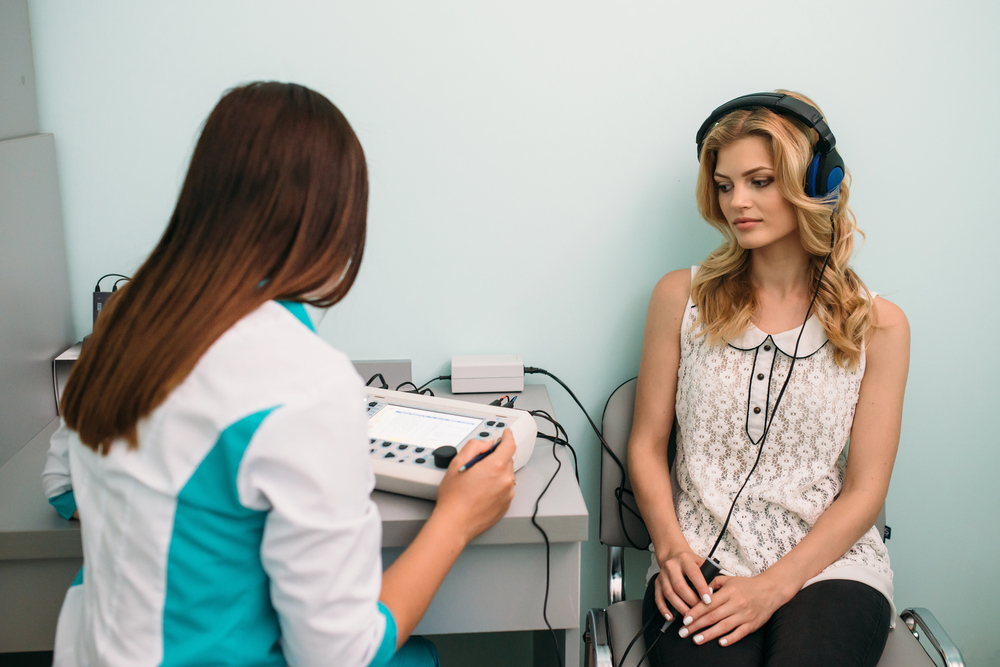
A baseline comprehensive hearing test allows you to:
- Detect subtle changes early
- Track your hearing over time
- Measure how clearly you understand speech in background noise
- Identify patterns that may need monitoring
- Create a proactive hearing health plan
Patients often tell us they feel relieved after testing — even when results are normal. Having clear answers replaces uncertainty with confidence.
That’s what preventive care should feel like.
Hearing Health Is Part of Whole-Body Health
Healthcare is shifting toward prevention and long-term wellness. Hearing health belongs in that conversation.
Untreated hearing loss has been associated with:
- Increased mental fatigue
- Higher risk of falls
- Greater feelings of isolation
- Cognitive decline over time
This does not mean hearing loss automatically causes these outcomes. But it does highlight how deeply hearing connects to how we function every day.
Early hearing care reframes the conversation. Instead of waiting for frustration, it asks:
“How do I stay confident, sharp, and fully engaged in the life I enjoy?”
That shift matters.
A Proactive Approach to Hearing Health Maryland Families Are Embracing
More individuals across our region are scheduling comprehensive hearing tests before communication becomes strained — and that’s encouraging.
Proactive hearing care simply means this: don’t wait until daily conversations feel difficult before getting answers.
A comprehensive hearing test provides detailed insight into:
- How well you hear different pitches
- How clearly you understand speech
- Whether your hearing is stable or changing
- Whether additional support would be beneficial
If hearing aids are appropriate, early use of modern technology can improve clarity and reduce listening effort. If not, you leave with a baseline and a plan.
Either way, you’re informed — not guessing.
What Happens If You Wait?
When hearing changes go unaddressed, people often notice:
- Group conversations become harder to follow
- Noisy environments feel overwhelming
- You start choosing quieter settings more often
- You feel more drained after social events
We frequently hear, “I didn’t realize how much I was missing.”
Addressing hearing early helps prevent that gradual narrowing of your world.
When Should You Schedule a Comprehensive Hearing Test?
Consider scheduling a comprehensive hearing test if you:
- Frequently ask others to repeat themselves
- Struggle in restaurants or meetings
- Notice ringing in your ears
- Have a family history of hearing loss
- Have a history of noise exposure
- Simply haven’t had your hearing checked
Even if you’re unsure, getting clarity is worthwhile.
Take the Proactive Step Toward Lifelong Hearing Health
If you’ve been wondering whether you can prevent hearing loss early or slow it down, the first step is understanding your current hearing status.
Scheduling a comprehensive hearing test is not a commitment to treatment. It’s a commitment to informed care.
If support is recommended, modern hearing aids can be part of a personalized plan designed around your lifestyle. If not, you’ll have peace of mind and a strategy to protect your hearing going forward.
Your hearing connects you to conversations, relationships, and the moments that matter most. Protecting it early makes a lifetime of difference.
Ready to Prioritize Your Hearing Health?
If you’re looking for trusted guidance in hearing health, we’re here to help.
Schedule your comprehensive hearing test at Capital Institute of Hearing & Balance and take a confident, proactive step toward protecting your long-term hearing health. With convenient locations in Silver Spring and Chevy Chase, our team is here to help you stay connected, informed, and supported every step of the way.
Clear, confident conversations are worth protecting — now and for years to come.