
How Do I Choose the Right Audiologist Near Me?
If you’ve searched “best audiologist near me” or “audiologist Maryland,” you’re likely looking for more than just a name — you’re looking for someone you can trust.
Choosing the right provider affects more than your hearing test results. It impacts your communication, your confidence, and your long-term hearing health.
So how do you make the right decision? Start by looking at credentials, diagnostic technology, approach to patient care, and local reputation.
Let’s walk through what that means.
What Credentials Should an Audiologist Have?
If you’re wondering what qualifications truly matter, here’s the short answer:
Look for a licensed Doctor of Audiology (Au.D.) with advanced clinical training and experience.
Audiologists complete extensive doctoral-level education focused on the anatomy and physiology of hearing and balance, advanced diagnostic testing, amplification technology, cochlear implants, auditory processing disorders, tinnitus management, and rehabilitative care. This training prepares them to evaluate, diagnose, and manage hearing and vestibular conditions across the lifespan.
In Maryland, audiologists must hold an active state license in good standing. Licensure ensures that the provider has met education and examination requirements and maintains professional standards of care. Licenses can be verified through the Maryland Board of Audiologists and related health professions.
You may also encounter Hearing Instrument Specialists (HIS). While they are licensed to test hearing and fit hearing aids, their training is typically more focused on amplification devices rather than comprehensive diagnostic and medical-based audiologic care.
If you or your child has concerns such as:
- Tinnitus
- Dizziness or balance problems
- Auditory processing disorder (APD)
- Cochlear implant evaluation or follow-up
- Pediatric hearing loss
- Medically related hearing changes
Working with a doctoral-level audiologist provides broader clinical expertise.
When researching providers, consider:
- Active licensure in good standing
- Doctoral-level education (Au.D.)
- Experience with your specific condition
- Ongoing continuing education
- Collaboration with ENT physicians and primary care providers
A qualified provider should explain findings clearly, answer questions thoroughly, and offer evidence-based recommendations tailored to your needs.
What Should a Comprehensive Hearing Evaluation Include?
If you’re wondering, “What happens during a hearing test?” — here’s what you can expect.
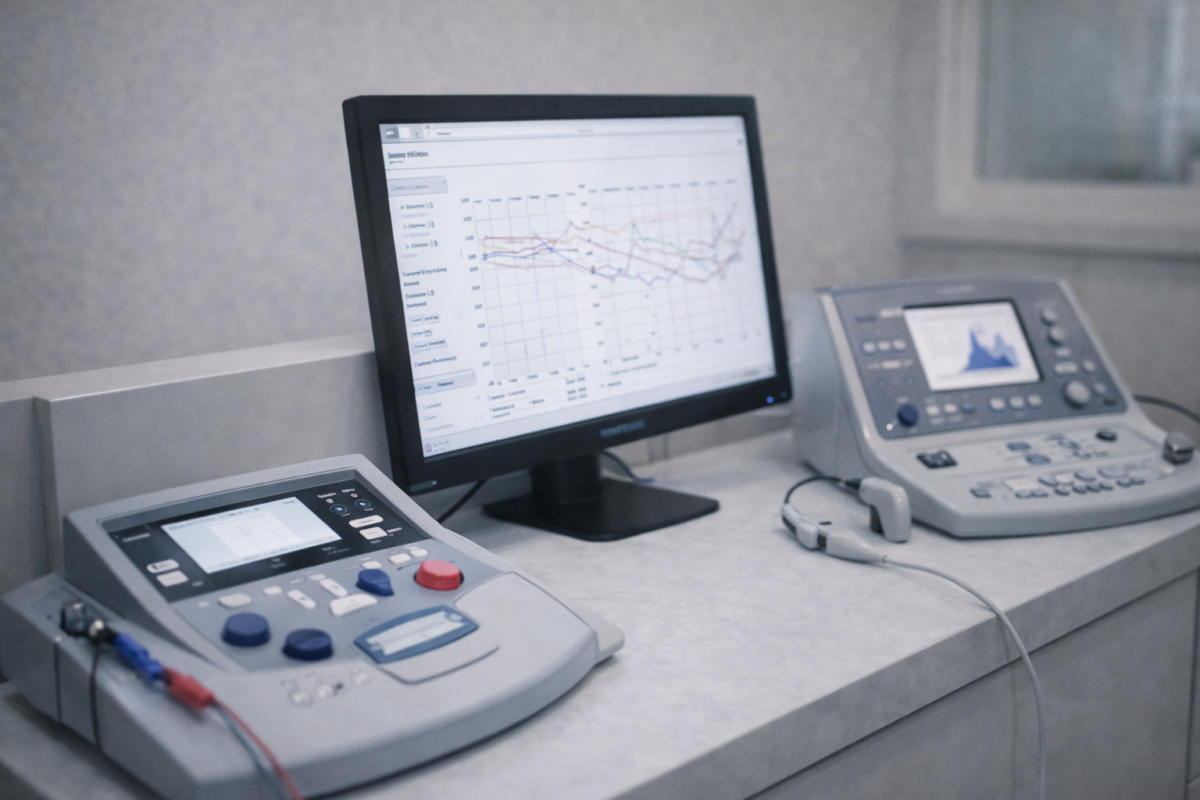
A comprehensive evaluation is designed to understand not just whether you hear sound, but how clearly you understand speech and how your ears are functioning.
A standard diagnostic appointment typically includes:
Pure-tone testing
Measures the softest sounds you can hear at different pitches using headphones. This determines whether hearing loss is present and its degree.
Speech testing in quiet
Evaluates how clearly you understand words at a comfortable listening level.
Speech-in-noise testing (when appropriate)
Assesses how well you understand speech in background noise — often where people notice the most difficulty.
Middle ear testing (tympanometry)
A quick, non-invasive test that checks how the eardrum and middle ear are functioning and identifies fluid or pressure changes.
Additional appointments may be scheduled depending on your concerns:
Tinnitus evaluation
A dedicated visit for in-depth assessment and management of ringing or buzzing in the ears.
Vestibular (balance) testing
Specialized testing for patients experiencing dizziness or vertigo.
If hearing aids are recommended, best practice includes:
Real-ear measurement
Performed during fitting or reprogramming appointments to verify that amplification matches your prescription precisely.
A thorough evaluation provides meaningful information — not just a screening result — and guides personalized recommendations.
How Do I Know If an Audiologist Is Right for Me?
Technology and credentials matter. But so does the experience.
When choosing an audiology practice in Silver Spring or Chevy Chase, pay attention to how you’re treated.
You should feel:
- Heard and not rushed
- Encouraged to ask questions
- Given clear explanations
- Guided — not pressured
Hearing care is rarely a one-time appointment. Follow-up visits, monitoring, and adjustments are part of long-term success. The right provider emphasizes partnership rather than transactions.
Does Local Reputation Matter?
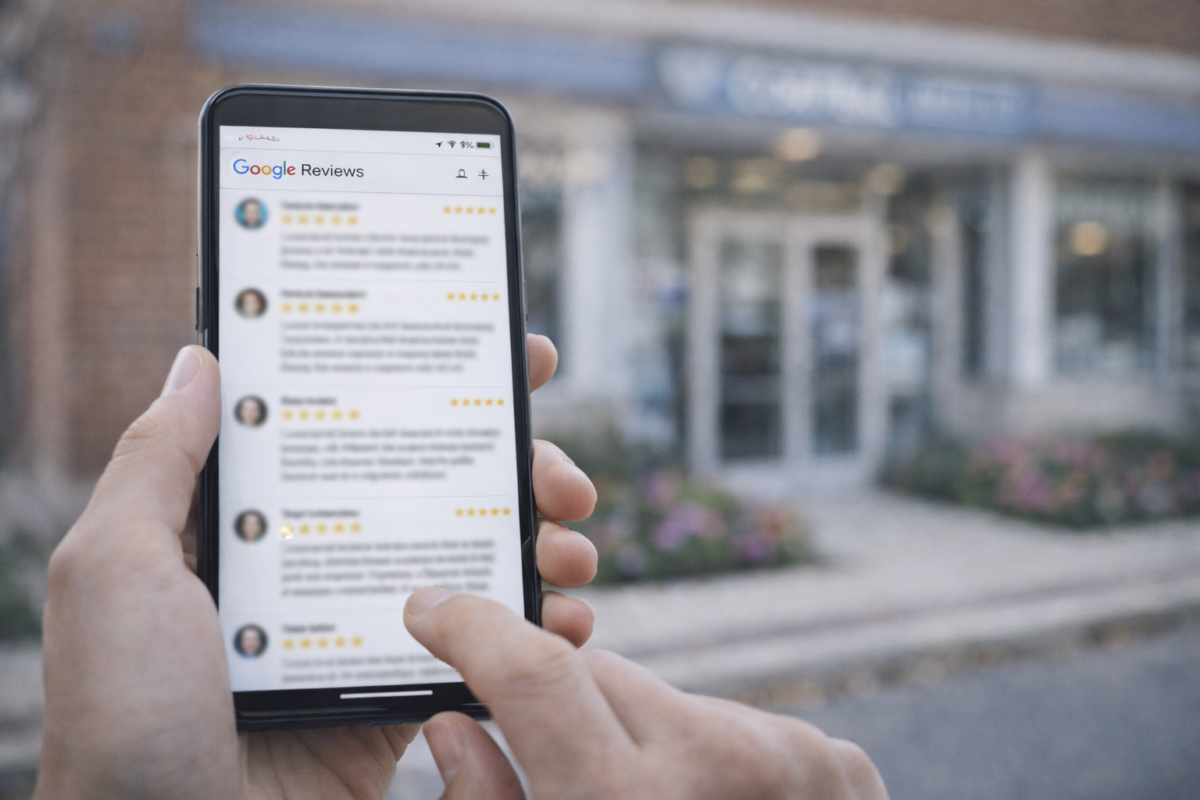
If you search for an audiologist near you, you’ll likely see many options with strong reviews.
Online feedback is a helpful starting point. Look for consistent themes across multiple reviews — communication style, professionalism, and follow-up support.
But reputation goes beyond star ratings.
Personal referrals often carry the most weight. Recommendations from family members, pediatricians, primary care providers, or ENT physicians usually reflect trust built over time.
You may also consider:
- Whether the practice receives physician referrals
- How long they’ve served the community
- Whether patients return for ongoing care
- Responsiveness when follow-up support is needed
Hearing healthcare is an ongoing relationship. Strong local reputation often reflects consistent, patient-centered care delivered over many years.
What Questions Should I Ask Before Scheduling?
If you’re still unsure, asking a few thoughtful questions can provide clarity:
- What credentials and training do you have?
- What does your diagnostic evaluation include?
- Do you use real-ear measurement for hearing aid fittings?
- What does follow-up care look like?
- Do you coordinate care with other healthcare providers if needed?
A reputable audiology practice will welcome these questions.
Why Choosing the Right Provider Makes a Difference
– Hearing connects us to conversations, work, and relationships. When hearing changes occur, the quality of evaluation and treatment directly impacts your experience.
– The right provider helps you understand why changes are happening, whether medical referral is appropriate, and which solutions fit your lifestyle.
– They may assess for cochlear implant candidacy, evaluate auditory processing concerns, and offer communication strategies beyond devices.
– Accurate diagnosis leads to precise recommendations. Precise recommendations lead to better outcomes.
– The goal is not simply better numbers on a test. It’s clearer communication and improved quality of life.
– Once you understand what to look for, the next step is choosing a practice that combines expertise with accessibility.
Can Hearing Aid Adjustments Be Done Remotely?
Yes — in many cases, they can.
Modern audiology care doesn’t always require an office visit. For patients with compatible technology, follow-up hearing aid adjustments can often be completed through secure telehealth platforms.
Remote programming allows your audiologist to fine-tune settings, troubleshoot concerns, and provide guidance without requiring travel. This is especially helpful in our region, where traffic and transportation challenges can make in-person visits difficult.
Virtual follow-up may be ideal for:
- Patients with limited transportation
- Busy professionals
- Individuals who prefer minimal travel
- Those who need minor adjustments rather than full evaluations
Some appointments are best completed in person, but when appropriate, remote care offers flexibility without sacrificing quality.
Comprehensive Audiology Care in Silver Spring and Chevy Chase
At Capital Institute of Hearing & Balance, we provide comprehensive audiologic care for adults and children at our Silver Spring and Chevy Chase offices.
Our licensed Doctor of Audiology providers use advanced diagnostic technology and evidence-based protocols to ensure accurate evaluation and individualized treatment.
We routinely evaluate and manage:
- Hearing loss
- Tinnitus
- Dizziness and balance concerns
- Auditory processing disorders
- Cochlear implant candidacy
- Pediatric and adult hearing needs
Every patient receives clear explanations, thoughtful recommendations, and ongoing support.
Ready to Take the Next Step?
If you’re ready to move forward, schedule a comprehensive evaluation with a licensed Doctor of Audiology at our Silver Spring or Chevy Chase office.
We’re happy to answer your questions, verify insurance benefits, and help you understand what to expect before your visit.
Choosing the right audiologist is an important decision. If you’re looking for personalized care, flexible follow-up options, and long-term support, we’re here to help. Call (240) 670-1200 or schedule an appointment online.

Frequently Asked Questions
Do I need a referral to see an audiologist in Maryland?
Most patients do not need a referral for a diagnostic hearing evaluation, although insurance requirements may vary.
Are telehealth appointments available for hearing aid adjustments?
Many modern hearing aids allow for remote programming. When appropriate, follow-up adjustments can be completed virtually using secure telehealth platforms.
How often should I have my hearing tested?
Adults should consider a baseline hearing evaluation and periodic monitoring, especially if experiencing changes, noise exposure, or medical risk factors. Learn more