

Hearing aids are an important investment in your overall quality of life. When they are working well, they can help you stay connected in conversations, participate more comfortably in daily activities, and hear more clearly in a variety of listening environments.
But hearing aids do not last forever. Even if your current devices still turn on and seem to work, they may not be giving you the level of support you need anymore. Your hearing may have changed, your listening needs can change, and all the while, hearing aid technology continues to improve.
If you have been wondering whether it is time to upgrade your hearing aids, the answer depends on your current devices, your hearing needs, and how well your hearing aids support your daily life.
At Capital Institute of Hearing & Balance, we offer personalized hearing aid services for patients who need expert fittings, adjustments, technology guidance, or ongoing support.
When to Consider Replacing Your Hearing Aids
Your Hearing Aids Are Several Years Old
Many people keep their hearing aids for years, especially if they have become used to them. However, older hearing aids may not offer the same sound quality, comfort, battery performance, or connectivity as newer devices. Additionally, once the hearing aids are out of their warranty period, manufacturer repairs can quickly rack up steep bills.
This does not mean everyone needs to replace their hearing aids on a strict schedule. Some devices continue to work well with proper care and adjustments. However, if your hearing aids are several years old, and you are noticing more listening challenges, it may be a good time to have them evaluated.
Your hearing care professional can check whether your devices are still appropriate for your hearing needs or whether newer technology may provide a better experience.
You Are Struggling More in Background Noise
One of the most common reasons people consider upgrading their hearing aids is difficulty hearing in noisy places.
You may notice this when you are:
- At a restaurant
- In a group conversation
- At a family gathering
- In a meeting
- At a busy store
Modern hearing aids are designed to do more than simply make sounds louder. Many include features that help manage background noise and focus on speech in a variety of listening environments.
If your current hearing aids are not helping enough in real world situations, an upgrade with new technology may improve your ability to follow conversations more comfortably.
For some patients, hearing rehabilitation may also help strengthen listening skills, especially when understanding speech in noise is a major concern.
Conversations Feel Less Clear Than They Used To
If people sound muffled, unclear, or harder to understand, the issue may not be volume alone. You may hear that someone is speaking, but still miss certain words.
This is a common concern for many people with hearing changes, especially those who feel like they can hear but cannot always understand speech clearly in noisy places.
This can happen for several reasons. Your hearing may have changed. Your hearing aids may need reprogramming. The devices may also be limited by older technology.
Before assuming you need new hearing aids, it is important to schedule a hearing evaluation and device check. In some cases, adjustments can improve clarity. In other cases, updated hearing aids may provide better sound processing for your current hearing profile.
You Keep Turning the Volume Up
If you frequently increase the volume on your hearing aids, that may be a sign that your current settings are no longer meeting your needs.
This could mean your hearing has changed since your last test. It could also mean the devices are not functioning properly or are not powerful enough for your current level of hearing loss.
A hearing aid should be programmed based on your hearing test results, not just turned up louder over time. Too much amplification can make sound uncomfortable or distorted. A professional evaluation can help determine whether your devices need adjustment, repair, or replacement.
Your Hearing Aids Need Frequent Repairs
Occasional maintenance is normal. Hearing aids are small electronic devices that are exposed to moisture, earwax, daily handling, and regular wear.
However, if your hearing aids are breaking down often, the cost and inconvenience of repeated repairs can add up, especially once the warranty has expired.
Common issues may include:
- Weak or distorted sound
- Battery problems
- Feedback or whistling
- Moisture damage
- Cracked parts
- Intermittent performance
- Difficulty connecting to accessories or apps
If repairs are becoming frequent, upgrading may be more practical than continuing to pay to fix older devices.
Battery Life Is Becoming a Problem
Battery performance can make a big difference in your daily experience.
If your hearing aids use disposable batteries, you may be tired of changing them often. If your devices are rechargeable, you may notice that the charge does not last as long as it used to.
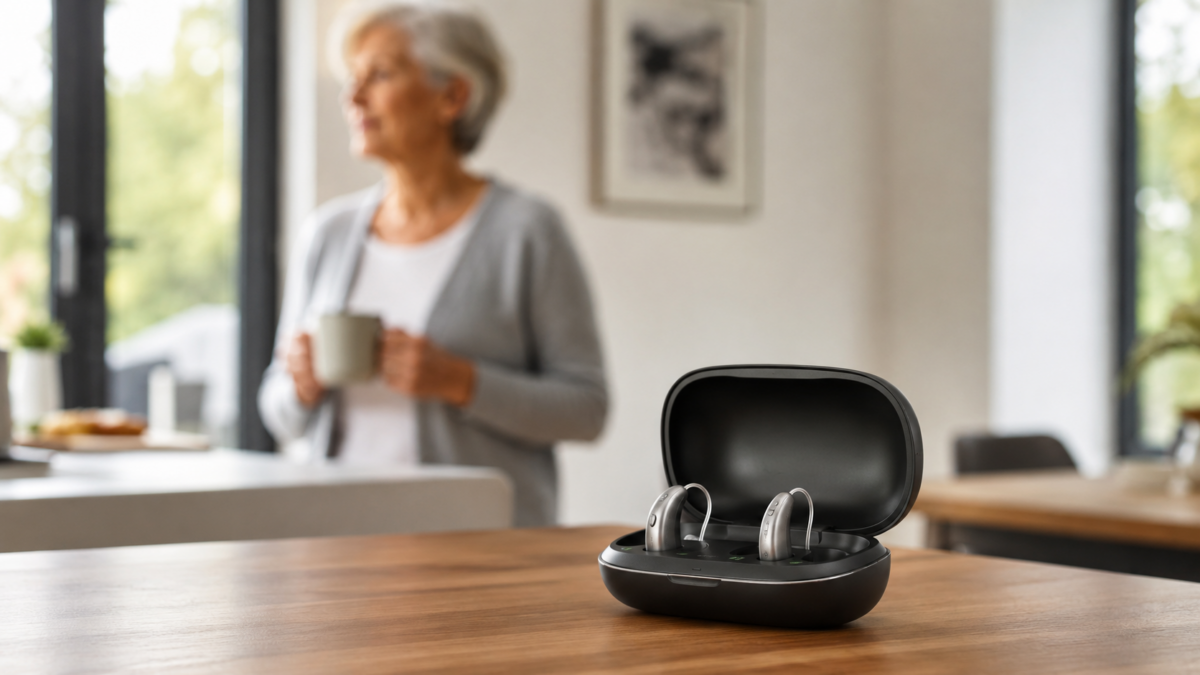
Many newer hearing aids offer rechargeable options, improved battery performance, and easier daily use. For some patients, this can be one of the most convenient reasons to upgrade.
Your Lifestyle Has Changed
Your hearing aids should support the way you actually live.
You may benefit from updated hearing aid technology if you are now:
- Attending more social events
- Working in more meetings or video calls
- Spending more time in noisy environments
- Traveling more often
- Using a smartphone more frequently
- Watching TV or listening to audio more often
- Trying to stay more active and independent
A device that worked well for your lifestyle several years ago may not be the best fit today. Newer hearing aids may offer features such as Bluetooth connectivity, app-based controls, rechargeable batteries, directional microphones, and improved sound processing.
You Want Better Connectivity
Many modern hearing aids can connect directly to smartphones, tablets, computers, televisions, and other devices. Depending on the model, this can make it easier to stream phone calls, videos, music, podcasts, or television audio directly to your hearing aids.
If your current hearing aids do not connect well with the devices you use every day, upgrading may make communication and listening more convenient.
This can be especially helpful for patients who rely on being able to understand phone calls, telehealth visits, virtual meetings, or media streaming.
Your Current Hearing Aids Do Not Support the Features You Need
Hearing aid technology has improved significantly over the years. Today’s devices may offer better speech clarity, improved noise management, more automatic adjustments, rechargeable options, wireless streaming, and more discreet designs than devices produced even a few years ago.
Not every patient needs every feature. The best hearing aids are the ones that match your hearing loss, lifestyle, comfort preferences, and communication goals.
An audiologist can help you understand which features are truly useful for you and which ones may not be necessary.
If you are unsure what modern hearing aids can and cannot do, you may also find our article on common hearing aid myths helpful.
Should You Adjust, Repair, or Upgrade Your Hearing Aids?
Not every problem means you need new hearing aids. Sometimes, a professional cleaning, repair, new earmold, updated receiver, or programming adjustment can make a noticeable difference.
A hearing aid consultation can help answer important questions, such as:
- Are my hearing aids still working properly?
- Has my hearing changed?
- Can my current devices be reprogrammed?
- Are repairs still worth it?
- Would newer technology provide a meaningful improvement?
- What options fit my hearing needs and budget?
The goal is not simply to replace your hearing aids. The goal is to make sure you are hearing as clearly and comfortably as possible.
What Happens During a Hearing Aid Upgrade Consultation?
At Capital Institute of Hearing & Balance, a hearing aid upgrade consultation may include a review of your current devices, an updated hearing evaluation if needed, a discussion of your daily listening challenges, and recommendations based on your hearing goals, lifestyle, and technology preferences.
Your audiologist may also check whether your current hearing aids can be adjusted or repaired before recommending new devices. If an upgrade makes sense, you can review options that fit your hearing needs, comfort preferences, technology goals, and daily routine.
This helps you make an informed decision instead of guessing whether your current hearing aids are still the right fit.

Frequently Asked Questions About Upgrading Hearing Aids
How do I know if I need new hearing aids?
You may need new hearing aids if your current devices are several years old, no longer provide clear sound, need frequent repairs, have poor battery life, or do not support your current lifestyle. A hearing test and device evaluation can help determine whether an adjustment, repair, or upgrade is the right next step.
Can my hearing aids be reprogrammed instead of replaced?
Yes, in many cases hearing aids can be reprogrammed if your hearing has changed. However, older devices may have limits. If your hearing aids cannot provide the level of support you need, or if the technology is outdated, upgrading may be recommended.
Are newer hearing aids better in background noise?
Many newer hearing aids include improved noise management and directional microphone technology that may help in challenging listening environments. They incorporate updated technology that more accurately reduces background noise while boosting the speech you want to hear. Results may vary depending on your hearing loss, device type, fit, and listening needs.
How often should I have my hearing tested?
Many adults with hearing aids benefit from regular hearing evaluations to monitor changes and keep devices properly programmed. Your audiologist can recommend a schedule based on your hearing loss and overall needs.
Are over the counter hearing aids the same as prescription hearing aids?
Over the counter hearing aids are intended for adults with perceived mild to moderate hearing loss. Prescription hearing aids are professionally selected, fitted, and programmed based on a full hearing evaluation.
If you have more complex hearing needs, significant difficulty understanding speech, tinnitus, dizziness, or one-sided hearing concerns, it is best to see an audiologist.
Schedule a Hearing Aid Consultation
If your hearing aids are not helping the way they used to, Capital Institute of Hearing & Balance can help you understand your options.
Our audiology team provides hearing evaluations, hearing aid consultations, fittings, adjustments, and ongoing support for patients in Silver Spring, Chevy Chase, and surrounding communities.
Whether your current hearing aids need reprogramming or you are ready to explore new hearing aid technology, we can help you make an informed decision.
Schedule a hearing aid consultation today to find out whether it may be time to upgrade your hearing aids.